Non-native plants this species can replace:
- Callery pear, Bradford pear (Pyrus calleryana)
Common Name
Washington hawthorn
Plant Form
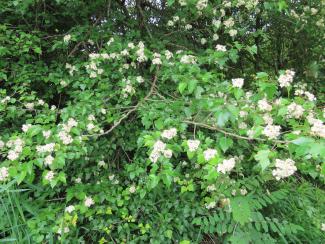
Shrubs & Small Trees
Duration
Perennial
Max Height (ft)
30.0
Width (ft)
20.0 -
25.0
Growth Rate
Medium
Region
Coastal
Piedmont
Mountain

Hardiness Zone
5,
6,
7,
8
Commercially Available
Nurseries that may carry live plant:
My Native Garden
Put together a printable/downloadable list of plants that you have in your garden.
Habitat
Floodplain forests, alluvial swamps, riverbanks, alluvial clearings. Infrequent in the Virginia Coastal Plain and Piedmont; rare in the mountains; sometimes locally abundant, especially in swamps of far southeastern Virginia
Wildlife value
This plant provides nectar for pollinators. It is a larval host plant for Gray Hairstreak (Strymon melinus), Red-spotted Purple (Limenitis arthemis astyanax), and Viceroy (Limenitis archippus). Hummingbirds and butterflies nectar from the blooms. Songbirds like cedar waxwings, quail, wild turkeys and small mammals eat the fruit. The dense branches provide nesting protection
Additional Notes
Spines/Thorns
Flower Color
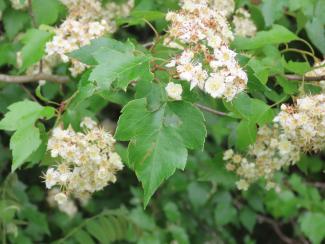
Cream/White
Flower Prominence
Conspicuous
Fragrant
Yes
Bloom Time
Spring
Early Summer
Bloom Month
April
May
June
Fall Color
Burgandy/Red
Orange
Purple/lavender
Light Requirements
Full sun
Partial sun
Moisture Requirements
Moist
Average
Dry
Soil Texture
Clay
High organic matter
Loamy
Sandy
Shallow rocky
Deer Resitant
Yes
Seed or Fruit eaten by wildlife?
Yes
Pollinators
Bees
Butterfiles