- Norway maple (Acer platanoides)
- White mulberry (Morus alba)
- Chinese elm (Ulmus parvifolia)
- Siberian elm (Ulmus pumila)

Commercially Available
My Native Garden
Put together a printable/downloadable list of plants that you have in your garden.
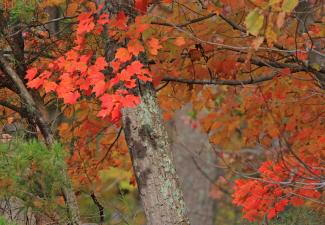
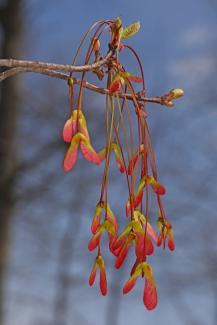
Easily grown in average, medium to wet, well-drained soil in full sun to part shade. Tolerant of a wide range of soils, but prefers moist, slightly acid conditions
Bees are attracted to the early nectar source of the flowers. Members of the genus Acer support Imperial Moth (Eacles imperialis) larvae. Flower nectar attracts bees and other pollinators. Seeds are enjoyed by birds. The fruit, along with the buds, are a primary food source for gray squirrels in late winter and early spring. Sprouts are a favorite food for white-tailed deer, but this tree is moderately resistant to damage. Plant NOVA Natives lists this species as particularly popular with the non-native honeybees. Deer rarely eat
Gorgeous fall color. There is something red on the tree all year long, starting with the red flowers in early spring that are one of the earliest food sources for pollinators. Avoid planting near sidewalks as the shallow root system may cause buckling and also make it hard to underplant. Plant far from house foundation as well. Straight species is superior - there is no need to buy a cultivar. Tolerates a variety of soils but not alkaline. Tolerates light or moderate shade.
Early spring bloomer; one of the earliest food sources for pollinators; adaptable. This tree is included in the Homegrown National Park: Keystone Trees and Shrubs. According to Plant NoVA Natives https://www.plantnovanatives.org/, this is a good choice for public spaces