Non-native plants this species can replace:
- Japanese maple (Acer palmatum)
- Rose of sharon (Hibiscus syriacus)
- Golden raintree (Koelreuteria paniculata)
- Hall's honeysuckle, Gold-and-silver honeysuckle (Lonicera japonica)
- Princess tree, Royal paulowina (Paulownia tomentosa)
- Callery pear, Bradford pear (Pyrus calleryana)
Common Name
Swamp magnolia
Sweetbay
Sweetbay magnolia
Plant Form
Medium Trees
Shrubs & Small Trees
Duration
Perennial
Max Height (ft)
35.0
Width (ft)
10.0 -
35.0
Growth Rate
Fast
Region
Coastal
Piedmont
Mountain

Hardiness Zone
5,
6,
7,
8,
9
Commercially Available
Nurseries that may carry live plant:
Nurseries that may carry seeds:
My Native Garden
Put together a printable/downloadable list of plants that you have in your garden.
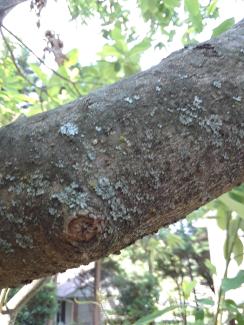
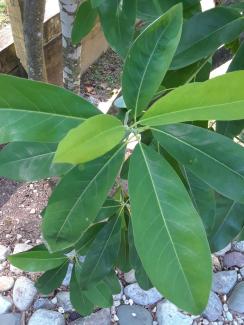
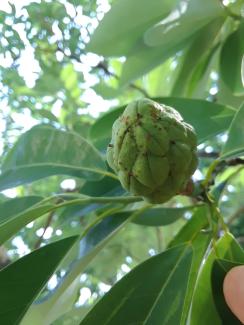
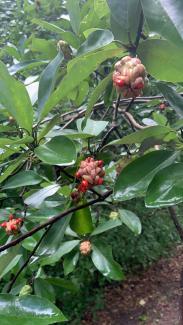
Habitat
Acidic seepage swamps, bogs, pocosins, wet flatwoods, nonriverine swamps, tidal swamps, maritime swamps, and alluvial swamps with nutrient-poor soils. Common in the Virginia Coastal Plain; infrequent in the outer Piedmont; rare in the inner Piedmont
Wildlife value
Provides winter cover. Larval host plant for Spicebush Swallowtail (Papilio troilus) and Eastern Tiger Swallowtail (Papilo glaucus). The adult Eastern Tiger Swallowtail butterflies feed on milkweed, joe pye weed, wild cherry, and lilac). Foliage and twigs are eaten by white-tailed deer in winter. Seeds are eaten by birds and small mammals. It is a favorite tree of the sap suckers
Additional Notes
Semi-evergreen
Flower Color
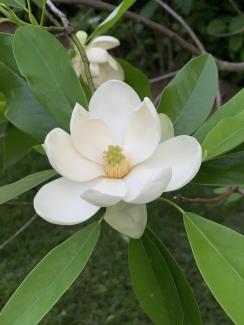
Cream/White
Flower Prominence
Conspicuous
Bloom Time
Spring
Early Summer
Late Summer
Evergreen
Yes
Light Requirements
Full sun
Partial sun
Moisture Requirements
Moist
Soil Texture
High organic matter
Low Maintenance
Yes
Deer Resitant
Yes
Seed or Fruit eaten by wildlife?
Yes
Pollinators
Butterfiles
Hummingbirds