Common Name
Wild hydrangea
Smooth hydrangea
Plant Form
Shrubs & Small Trees
Duration
Perennial
Max Height (ft)
5.0
Width (ft)
3.0 -
5.0
Growth Rate
Fast
Region
Coastal
Piedmont
Mountain

Hardiness Zone
5,
6,
7,
8,
9
Commercially Available
Nurseries that may carry live plant:
Nurseries that may carry seeds:
My Native Garden
Put together a printable/downloadable list of plants that you have in your garden.
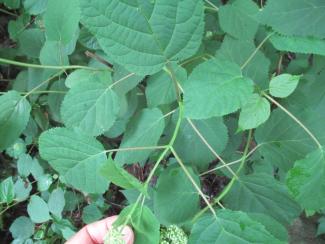
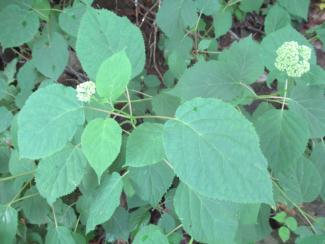
Habitat
Mesic to dry, usually rocky forests, boulder fields, stream banks, cliffs, and outcrops. Common in the Virginia mountains and Piedmont; infrequent in the Coastal Plain
Wildlife value
The wild hydrangea flowers are attractive to butterflies and other pollinators. It is the host plant of the hydrangea sphinx moth. Birds eat seeds
Poisonous to Humans:
Poison Severity:
Low
Poison Symptoms:
Vomiting, depression, diarrhea. Poisonous through ingestion
Causes Contact Dermatitis:
Yes
Poison Part:
Bark, Flowers, Fruits, Leaves, Roots, Sap Juice, Seeds, Stems
Also a Problem For:
Dogs and Horses
Flower Color
Cream/White
Green
Flower Prominence
Conspicuous
Bloom Time
Spring
Early Summer
Bloom Month
May
June
July
Light Requirements
Full sun
Partial sun
Moisture Requirements
Moist
Average
Soil Texture
Clay
High organic matter
Loamy
Sandy
Shallow rocky
Low Maintenance
Yes
Seed or Fruit eaten by wildlife?
Yes
Pollinators
Bees
Butterfiles