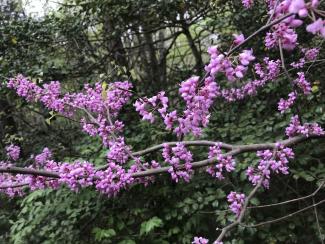
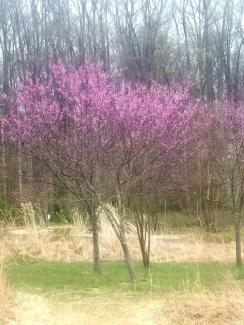
Cercis canadensis var. canadensis (Native)

Non-native plants this species can replace:
Common Name
Eastern redbud
Plant Form
Medium Trees
Duration
Perennial
Max Height (ft)
30.0
Width (ft)
10.0 - 20.0
Growth Rate
Medium
Region
Coastal
Piedmont
Mountain
Hardiness Zone
5, 6, 7, 8, 9

My Native Garden

Put together a printable/downloadable list of plants that you have in your garden.
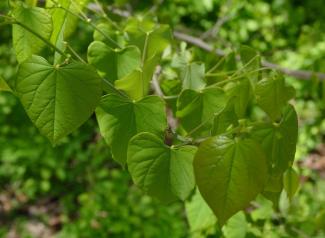
Photographer: Tom Arata
Licensed under: CC BY-NC 4.0
Original photo: Original photo

Photographer: ljgallagher
Licensed under: CC BY-NC 4.0
Original photo: Original photo

Photographer: nancyyinger
Licensed under: CC BY-NC 4.0
Original photo: Original photo

Additional Info

Habitat: Eastern redbud occurs in the forest understory in moist rich woods, along the banks of streams, in ravines, on bluffs, in open rocky woods, and abandoned farmlands

Wildlife value: In early spring, clusters of rose pink to light purple flowers mature and attract many pollinators including butterflies, and bees.  The plant holds great wildlife value as a larval host plant and the bean pod fruits provide food for songbirds.  White-tailed deer are among the animals that browse the foliage.Plant NOVA Natives lists this species as particularly popular with the non-native honeybees

Notes: Eastern redbud is a flowering tree that blooms before the leaves appear. Fixes nitrogen; Short-lived (30 years)

Edibility: The flowers are edible and taste similar to peas. Contain high amounts of vitamin C.

Pruning Guidance
Pruning Time
Late winter to early spring
Pruning Method
Minimal pruning
Wildlife Benefits
Pruning outside nesting season protects nests
Retained flowers support pollinators
Pruning Notes
Needs little pruning. If a branch must come out, cut it in late winter, before birds begin nesting in mid-March. Keep cuts few, because the flower buds formed last year: each cut removes spring flowers for pollinators. Leave dead branches where they are safe for woodpeckers and other wildlife. Preserve its naturally graceful branching.
Flower Color
Pink
Flower Prominence
Conspicuous
Bloom Time
Spring
Early Summer
Bloom Month
April
May
Fall Color
Gold/Yellow
Light Requirements
Full sun
Partial sun
Moisture Requirements
Moist
Average
Dry
Soil Texture
Clay
Loamy
Sandy
Low Maintenance
Yes