Non-native plants this species can replace:
- Norway maple (Acer platanoides)
- Sawtooth oak (Quercus acutissima)
- Chinese elm (Ulmus parvifolia)
Common Name
Northern red oak
Plant Form
Large Trees
Duration
Perennial
Max Height (ft)
100.0
Width (ft)
50.0 -
75.0
Growth Rate
Fast
Region
Coastal
Piedmont
Mountain

Hardiness Zone
5,
6,
7,
8,
9
Commercially Available
My Native Garden
Put together a printable/downloadable list of plants that you have in your garden.
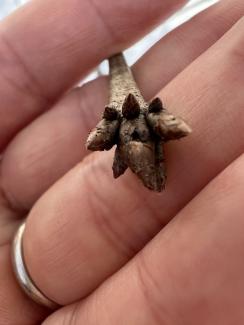
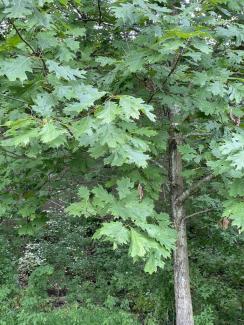
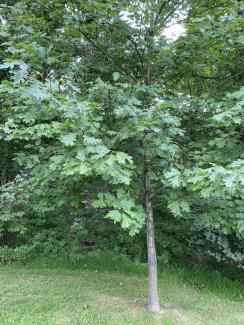
Habitat
Mesic, well drained slopes, coves, and drier ridges.
Wildlife value
Supports a wide variety of butterflies and moths plus small mammals and songbirds. The Acorns are eaten by woodpeckers, blue joys, small mammals, wild turkeys, white-tailed deer, and black bear and are can be eaten by people after tannins are leached or boiled out. Plant NOVA Natives lists this species as particularly popular with the non-native honeybees
High Value Generalist
Earth Sangha lists this plant as a "High Value Generalist" because it is easy to grow, occurs across a wide range of habitats and is known to be of high value to wildlife
Flower Color
Gold/Yellow
Green
Flower Prominence
Reduced
Bloom Time
Spring
Bloom Month
April
May
Fall Color
Brown/Copper
Burgandy/Red
Light Requirements
Full sun
Partial sun
Shade
Moisture Requirements
Wet
Moist
Average
Dry
Soil Texture
Loamy
Sandy
Low Maintenance
Yes
Good Choice for Public Spaces
Yes
Deer Resitant
Yes
Seed or Fruit eaten by wildlife?
Yes
Pollinators
Bees
Butterfiles
Top 30 for Butterfly and Moth Caterpillars?
Yes
Number of Lepidotera Species Genus Supports
436