Common Name
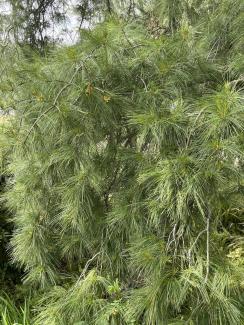
Eastern white pine
Plant Form
Large Trees
Medium Trees
Duration
Perennial
Max Height (ft)
80.0
Width (ft)
20.0 -
40.0
Growth Rate
Fast
Region
Coastal
Piedmont
Mountain

Hardiness Zone
5,
6,
7,
8
Rabbit resistant
Yes
Commercially Available
My Native Garden
Put together a printable/downloadable list of plants that you have in your garden.
Habitat
Mesic to dry upland forests and woodlands, and montane alluvial forests; particularly abundant in the extensive shale districts of the wc. Ridge and Valley region. Common in the Virginia mountains; infrequent in the Piedmont; rare in the Coastal Plain. Introduced in Henrico County
Wildlife value
This plant supports Imperial Moth (Eacles imperialis) larvae. Its seeds are favored by black bears, rabbits, red squirrels, and many birds. The bark is eaten by mammals such as beavers, porcupines, rabbits, and mice. The tree also serves as a shelter for many birds and small mammals
Additional Notes
Highly flammable and should not be planted within the defensible space of your home.
Flower Color
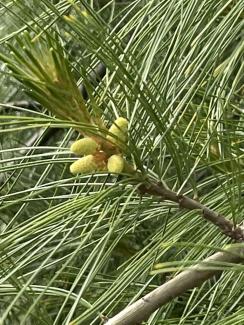
Red/burgandy
Gold/Yellow
Green
Flower Prominence
Reduced
Bloom Time
Spring
Bloom Month
April
Evergreen
Yes
Light Requirements
Full sun
Partial sun
Moisture Requirements
Moist
Average
Soil Texture
High organic matter
Loamy
Sandy
Low Maintenance
Yes
Deer Resitant
Yes
Seed or Fruit eaten by wildlife?
Yes
Pollinators
Butterfiles
Top 30 for Butterfly and Moth Caterpillars?
Yes
Number of Lepidotera Species Genus Supports
200