Non-native plants this species can replace:
- Chinese silvergrass (Miscanthus sinensis)
- Fountain grass (Pennisetum setaceum)
- Yellowgroove bamboo (Phyllostachys aureosulcata)
Common Name
Switchgrass
Plant Form
Grasses, Sedges & Rushes
Duration
Perennial
Max Height (ft)
7.0
Width (ft)
2.0 -
3.0
Growth Rate
Medium
Region
Coastal
Piedmont
Mountain

Hardiness Zone
5,
6,
7,
8,
9
Commercially Available
Nurseries that may carry live plant:
Nurseries that may carry seeds:
My Native Garden
Put together a printable/downloadable list of plants that you have in your garden.
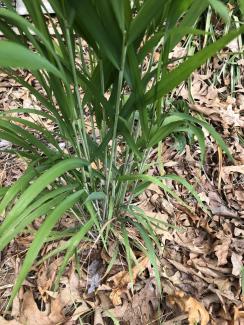
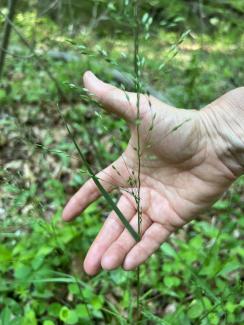
Habitat
Dune grasslands and scrub, openings in maritime forests, interdune swales and ponds, maritime swamps, tidal swamps, tidal oligohaline (rarely mesohaline) marshes, rocky river shores and bars, riverside prairies, mafic fens, calcareous fens and spring marshes, low meadows, clearings, and fields; also frequently planted. Infrequent to locally common in the Virginia Coastal Plain; infrequent in the Piedmont and mountains
Wildlife value
Provides excellent cover year round. This is a larval host plant for various Skipper butterflies and the Common Wood-Nymph (Cercyonis pegala). Seeds are eaten by songbirds and small mammals in the winter
Flower Color
Red/burgandy
Gold/Yellow
Pink
Purple/lavender
Flower Prominence
Conspicuous
Bloom Time
Early Summer
Late Summer
Fall
Bloom Month
June
July
August
September
Fall Color
Gold/Yellow
Orange
Light Requirements
Full sun
Partial sun
Moisture Requirements
Wet
Moist
Soil Texture
Clay
Sandy
Low Maintenance
Yes
Deer Resitant
Yes
Seed or Fruit eaten by wildlife?
Yes
Pollinators
Butterfiles