
Commercially Available
My Native Garden
Put together a printable/downloadable list of plants that you have in your garden.
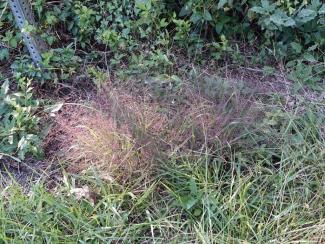
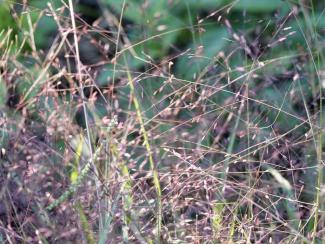
Habitat: Dune grasslands, scrub, and woodlands; interdune swales, river shores and bars, riverside prairies, dry woodlands and barrens, clearings, fields, roadsides, and other open, disturbed habitats. Common in the Virginia Coastal Plain and Piedmont; frequent at low elevations in the mountains.
Wildlife value: Supports the paradoxical grass moth as a larval host plant. Exceptionally popular with insect herbivores such as leafhoppers. Birds use the dry panicles for nesting.
Notes: Creates billowing, fluffy texture and rich color as the inflorescence turns bronzy purple/red and the leaves senesce in late summer. Mow in early spring to limit competition from cool-season plants. This grass is an early-successional species that is mainly present in disturbed habitats. It can easily be outcompeted by taller and longer-lived perennials, trees and shrubs, and requires open soil to reseed.