Non-native plants this species can replace:
- Winged euonymus, Burning bush (Euonymus alatus)
Common Name
Winged sumac
Flameleaf sumac
Shining sumac
Plant Form
Shrubs & Small Trees
Duration
Perennial
Max Height (ft)
15.0
Width (ft)
10.0 -
20.0
Growth Rate
Medium
Region
Coastal
Piedmont
Mountain

Hardiness Zone
5,
6,
7,
8,
9
Commercially Available
Nurseries that may carry live plant:
My Native Garden
Put together a printable/downloadable list of plants that you have in your garden.
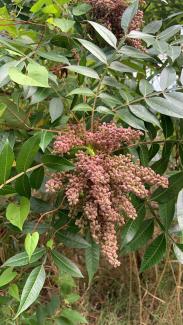
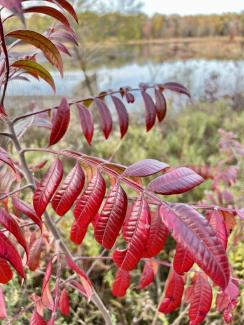
Habitat
Dry, rocky woodlands and barrens, shale barrens, old fields, fencerows, roadsides, and early-successional forests. Common at lower elevations nearly throughout Virginia
Wildlife value
It is a larval host plant for Red-Banded Hairstreak (Calycopis cecrops). It is also a host plant for the Luna moth. Butterflies and bees nectar at the flowers. Its fruits are eaten by songbirds, white-tailed deer, opossums, wild turkey, and quail. Its bark is eaten by rabbits
Additional Notes
Weedy
Flower Color
Cream/White
Gold/Yellow
Green
Flower Prominence
Conspicuous
Bloom Time
Early Summer
Late Summer
Fall
Bloom Month
July
August
September
Fall Color
Burgandy/Red
Light Requirements
Full sun
Partial sun
Moisture Requirements
Moist
Average
Soil Texture
Clay
Loamy
Sandy
Shallow rocky
Seed or Fruit eaten by wildlife?
Yes
Pollinators
Bees
Butterfiles