Quercus velutina (Native)

Common Name
Black oak
Plant Form
Large Trees
Duration
Perennial
Max Height (ft)
80.0
Width (ft)
50.0 - 80.0
Growth Rate
Slow
Region
Coastal
Piedmont
Mountain
Hardiness Zone
5, 6, 7, 8, 9

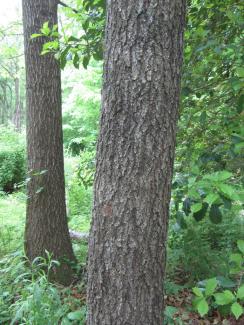
Photographer: margaretchatham
Licensed under: CC BY-NC 4.0
Original photo: Original photo

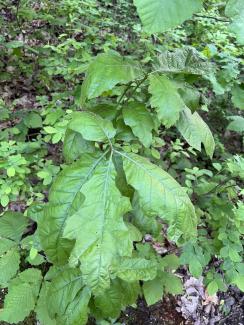
Photographer: Izabella Farr
Licensed under: CC BY-NC 4.0
Original photo: Original photo

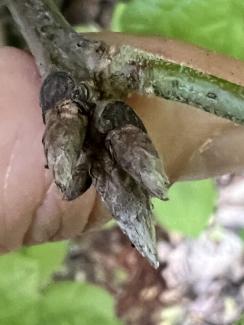
Photographer: Izabella Farr
Licensed under: CC BY-NC 4.0
Original photo: Original photo

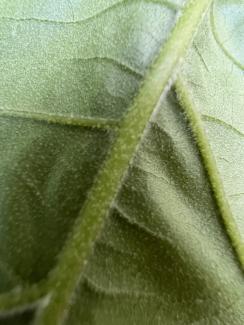
Photographer: Izabella Farr
Licensed under: CC BY-NC 4.0
Original photo: Original photo

Habitat

Dry to, less often, mesic upland forests and woodlands. Common throughout Virginia

Wildlife value

The wildlife value is high. The acorns are eaten by woodpeckers, blue jays, small mammals, wild turkeys, white-tailed deer, and black bears. Oak trees support a wide variety of Lepidopteran. Also supports the Imperial Moth (Eacles imperialis), Banded Hairstreak (Satyrium calanus), Edward's Hairstreak (Satyrium edwardsii), Gray Hairstreak (Strymon melinus), White-M Hairstreak (Parrhasius m-album), Horace’s Duskywing (Erynnis horatius) and Juvenal’s Duskywing (Erynnis juvenalis). It attracts a wide range of insects which in turn feed the birds. Provides cover and nesting areas for wildlife

High Value Generalist
Earth Sangha lists this plant as a "High Value Generalist" because it is easy to grow, occurs across a wide range of habitats and is known to be of high value to wildlife

Poisonous to Humans:
Poison Severity:
Low
Poison Symptoms:

Abdominal pain, constipation then diarrhea (occasionally bloody), depression, frequent urination, discolored urine, jaundice; acorns can obstruct the digestive tract

Causes Contact Dermatitis:
No
Poison Part:
Fruits, Leaves
Also a Problem For:
Horses
Flower Prominence
Reduced
Bloom Time
Spring
Fall Color
Brown/Copper
Burgandy/Red
Gold/Yellow
Light Requirements
Full sun
Partial sun
Moisture Requirements
Moist
Average
Soil Texture
High organic matter
Loamy
Sandy
Deer Resitant
Yes
Seed or Fruit eaten by wildlife?
Yes
Pollinators
Butterfiles
Commercially available
Yes

My Native Garden

Put together a printable/downloadable list of plants that you have in your garden.