
Commercially Available
My Native Garden
Put together a printable/downloadable list of plants that you have in your garden.
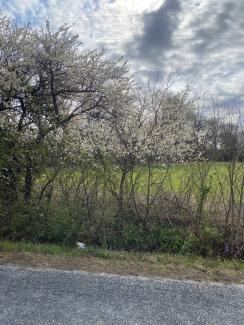
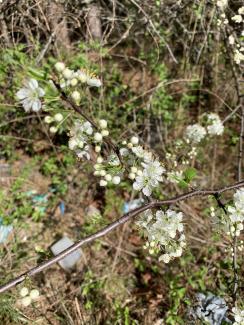
Old fields, shrubby clearings, fencerows, and roadsides; especially frequent in sandy soils. Frequent in the southern and central Virginia Coastal Plain and southern and central Piedmont; infrequent elsewhere
This plant provides nectar for pollinators and is a larval host plant for several species of butterflies. For example, the Coral Hairstreak (Satyrium titus), Eastern Tiger Swallowtail (Papilio glaucus), Spring Azure (Celastrina ladon), Viceroy (Limenitis archippus), and Red-spotted Purple (Limenitis arthemis astyanax). Fruits are eaten by songbirds, wild turkeys, quail, white-tailed deer, and small mammals. Thickets provide good cover for songbirds and small mammals year round
The pits contain cyanide compounds, which are poisonous. Symptoms include Gasping, weakness, excitement, pupil dilation, spasms, convulsions, coma, respiratory failure.