Non-native plants this species can replace:
- Norway maple (Acer platanoides)
- Mimosa, Persian silk tree (Albizia julibrissin)
- White mulberry (Morus alba)
- Callery pear, Bradford pear (Pyrus calleryana)
- Babylon weeping willow, Weeping willow (Salix babylonica)
Common Name
Black gum
Sour gum
Sourgum
Plant Form
Large Trees
Medium Trees
Duration
Perennial
Max Height (ft)
70.0
Width (ft)
20.0 -
35.0
Growth Rate
Medium
Region
Coastal
Piedmont
Mountain

Hardiness Zone
5,
6,
7,
8,
9
Commercially Available
My Native Garden
Put together a printable/downloadable list of plants that you have in your garden.
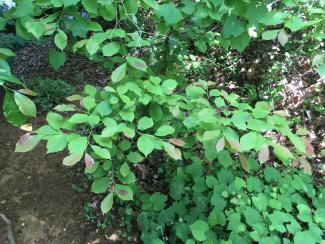
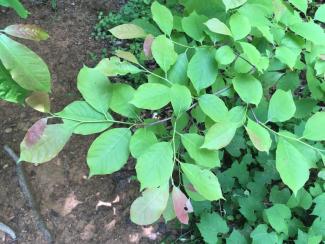
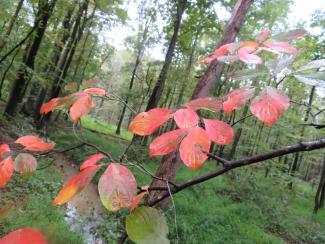
Habitat
In a wide range of mesic to dry upland forests, rocky woodlands, seepage swamps, floodplain forests and swamps, wet flatwoods, and depression ponds. Common throughout Virginia
Wildlife value
Its young sprouts are eaten by white-tailed deer. The berries are enjoyed by thrushes and other songbirds, wild turkeys, black bear, foxes, raccoons and opossums. It is one of the most important food sources for fall song bird migration. The natural hollows that form in the tree are a refuge for reptiles, tree frogs, bats and other wildlife. The spring flowers are a nectar source for bees
Flower Color
Cream/White
Green
Flower Prominence
Reduced
Bloom Time
Spring
Early Summer
Bloom Month
May
June
Fall Color
Burgandy/Red
Gold/Yellow
Orange
Purple/lavender
Light Requirements
Full sun
Partial sun
Moisture Requirements
Moist
Average
Soil Texture
Clay
Loamy
Sandy
Low Maintenance
Yes
Deer Resitant
Yes
Seed or Fruit eaten by wildlife?
Yes
Pollinators
Bees