Common Name
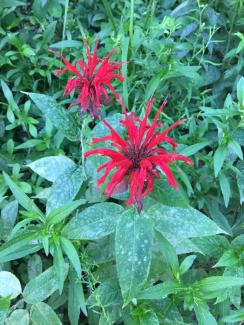
Scarlet beebalm
Oswego tea
Plant Form
Herbs
Duration
Perennial
Max Height (ft)
4.0
Width (ft)
2.0 -
3.0
Growth Rate
Medium
Region
Coastal
Piedmont
Mountain

Hardiness Zone
5,
6,
7,
8,
9
Rabbit resistant
Yes
Commercially Available
My Native Garden
Put together a printable/downloadable list of plants that you have in your garden.
Habitat
Forested seeps, stream banks, periodically wet boulder fields, seepage swamps, and wet roadsides, mostly at higher elevations. Infrequent in the Virginia mountains; rare (partly introduced) in the Piedmont and Coastal Plain
Wildlife value
Attracts bumblebees, swallowtail butterflies, and Ruby-throated hummingbirds. It is a larval host to the hermit sphinx, orange mint moth, and the raspberry pyrausta. Members of the genus Monarda support specialized bees
High Value Generalist
Earth Sangha lists this plant as a "High Value Generalist" because it is easy to grow, occurs across a wide range of habitats and is known to be of high value to wildlife
Additional Notes
Native bees nest in the dead, hollow stems, so gardeners are encouraged to cut back dead stems to 12 to 24 inches and allow them to remain standing until they disintegrate on their own
Flower Color
Red/burgandy
Flower Prominence
Conspicuous
Bloom Time
Late Summer
Fall
Bloom Month
July
August
September
Light Requirements
Full sun
Moisture Requirements
Moist
Soil Texture
Clay
High organic matter
Deer Resitant
Yes
Pollinators
Bees
Butterfiles
Hummingbirds
Additional links