Non-native plants this species can replace:
- Mimosa, Persian silk tree (Albizia julibrissin)
- Butterfly bush, Summer lilac (Buddleia davidii)
- Autumn olive (Elaeagnus umbellata)
- Winged euonymus, Burning bush (Euonymus alatus)
- Japanese privet, Wax-leaf privet (Ligustrum japonicum)
- Chinese privet (Ligustrum sinense)
- Winter honeysuckle (Lonicera fragrantissima)
- Bush honeysuckles, Amur honeysuckle (Lonicera maackii)
- Morrow's honeysuckle (Lonicera morrowii)
- Bush honeysuckles (Lonicera spp.)
- Tartarian honeysuckle (Lonicera tatarica)
- Linden arrow-wood, Linden viburnum (Viburnum dilatatum)
- Viburnum lantana
- Crampbark (Viburnum opulus)
- Viburum sieboldii
Common Name
Spicebush
Plant Form
Shrubs & Small Trees
Duration
Perennial
Max Height (ft)
15.0
Width (ft)
6.0 -
15.0
Growth Rate
Slow
Region
Coastal
Piedmont
Mountain

Hardiness Zone
5,
6,
7,
8,
9
Commercially Available
Nurseries that may carry live plant:
Nurseries that may carry seeds:
My Native Garden
Put together a printable/downloadable list of plants that you have in your garden.
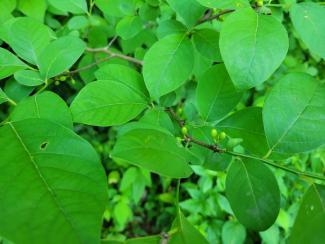
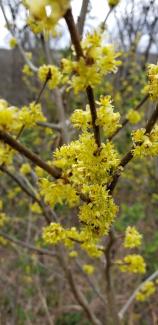
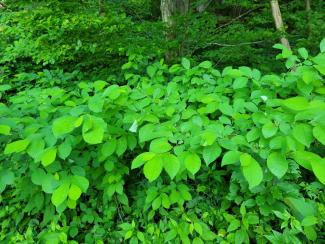
Additional Info
Habitat: moist woods, shaded wooded slopes or dunes, floodplain forests
Wildlife value: This plant supports Swallowtail butterflies. Fruits are eaten by songbirds, especially during fall migration. Deer will browse twigs and leaves.
Notes: Early yellow flowers make a substitute for forsythia. You need both male and female plants to produce berries
Flower Color
Gold/Yellow
Green
Flower Prominence
Conspicuous
Fragrant
Yes
Bloom Time
Spring
Bloom Month
April
May
Fall Color
Gold/Yellow
Light Requirements
Full sun
Partial sun
Shade
Moisture Requirements
Moist
Low Maintenance
Yes
Climate-smart plant
Yes
Good Choice for Public Spaces
Yes
Deer Resitant
Yes
Seed or Fruit eaten by wildlife?
Yes
Pollinators
Bees
Butterfiles