Non-native plants this species can replace:
- Winter creeper, Wintercreeper (Euonymus fortunei)
- English ivy, Common ivy (Hedera helix)
- Periwinkle (Vinca minor)
Common Name
Dwarf crested iris
Plant Form
Herbs
Duration
Perennial
Max Height (ft)
0.8
Width (ft)
0.5 -
1.0
Growth Rate
Medium
Region
Piedmont
Mountain

Hardiness Zone
5,
6,
7,
8,
9
Commercially Available
Nurseries that may carry live plant:
My Native Garden
Put together a printable/downloadable list of plants that you have in your garden.
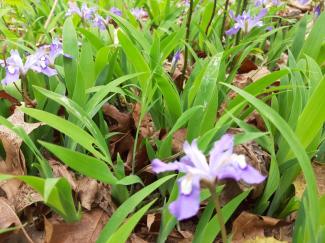
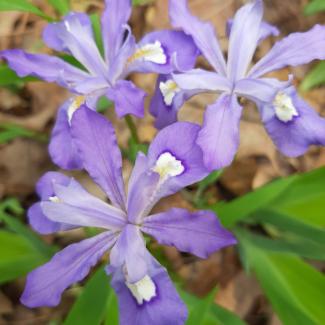
Habitat
Mesic to, less often, dry forests and woodlands, bluffs, well-drained alluvial forests, and stream banks; occurs in both nutrient-poor and base-rich soils; most frequent in montane acidic cove forests. Common in the southern half of the Virginia mountains and Piedmont; rare in the northern mountains and northern Piedmont
Wildlife value
Its flowers are attractive to hummingbirds and bumblebees
Poisonous to Humans:
Poison Severity:
Low
Poison Symptoms:
Nausea, salivation, vomiting, abdominal pain, diarrhea, lethargy, elevated temperature following ingestion; skin irritation upon contact with seeds, rootstock, or cell sap. It causes only low toxicity if eaten. Skin irritation lasts for a few minutes. Highest concentration in rhizomes
Causes Contact Dermatitis:
Yes
Poison Part:
Roots, Sap Juice, Seeds
Also a Problem For:
Dogs and Horses
Flower Color
Blue
Purple/lavender
Flower Prominence
Conspicuous
Bloom Time
Spring
Bloom Month
April
May
Ground Cover
Yes
Light Requirements
Full sun
Partial sun
Moisture Requirements
Moist
Average
Soil Texture
Loamy
Sandy
Deer Resitant
Yes
Pollinators
Bees
Butterfiles
Hummingbirds