
Commercially Available
My Native Garden
Put together a printable/downloadable list of plants that you have in your garden.
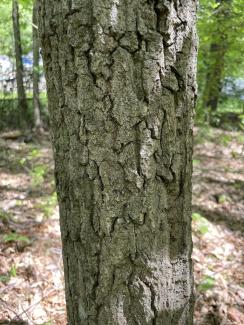
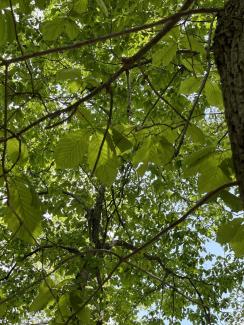
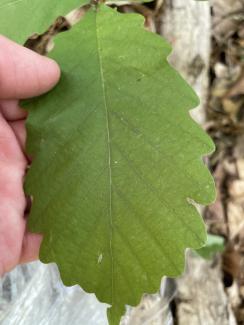
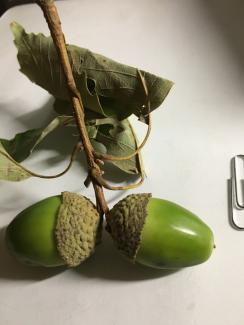
ry to occasionally mesic upland forests, woodlands, and shale barrens; most characteristic of exposed sites with rocky or shallow soils. Common in the Virginia mountains, Piedmont, and inner Coastal Plain north of the James River; infrequent to rare in the southern and outer Coastal Plain.
The wildlife value is high. The acorns are eaten by woodpeckers, blue jays, small mammals, wild turkeys, white-tailed deer, and black bears. Oak trees support a wide variety of Lepidopteran. Also supports the Imperial Moth (Eacles imperialis), Banded Hairstreak (Satyrium calanus), Edward's Hairstreak (Satyrium edwardsii), Gray Hairstreak (Strymon melinus), White-M Hairstreak (Parrhasius m-album), Horace’s Duskywing (Erynnis horatius) and Juvenal’s Duskywing (Erynnis juvenalis). It attracts a wide range of insects which in turn feed the birds. Provides cover and nesting areas for wildlife
Abdominal pain, constipation then diarrhea (occasionally bloody), depression, frequent urination, discolored urine, jaundice; acorns can obstruct the digestive tract