
Commercially Available
My Native Garden
Put together a printable/downloadable list of plants that you have in your garden.
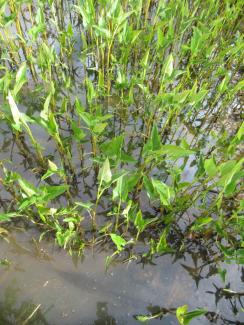
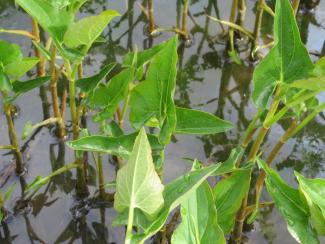
Habitat: Freshwater and oligohaline tidal marshes, tidal and alluvial swamps, calcareous fens and spring marshes, natural ponds, and impoundments. Common in the Coastal Plain; infrequent to locally common in the Piedmont; rare in the mountains.
Wildlife value: Flowers mature in the summer and attract pollinators. This plant provides cover for fish, and is a common plant for dragonflies and damselflies to lay eggs on. It spreads through rhizomes and can form colonies. The flowers have an odor that attracts flies. The primary pollinator is the Chloropid fly (Elachiptera formosa). Adult Chloropid flies lay eggs on the plant, eat pollen, and cross-pollinate the flowers