- Five-leaved akebia, Chocolate vine (Akebia quinata)
- Porcelain-berry, Porcelainberry (Ampelopsis glandulosa)
- Oriental bittersweet, Asiatic bittersweet (Celastrus orbiculatus)
- Sweet autumn clematis (Clematis terniflora)
- Winter honeysuckle (Lonicera fragrantissima)
- Hall's honeysuckle, Gold-and-silver honeysuckle (Lonicera japonica)

Commercially Available
My Native Garden
Put together a printable/downloadable list of plants that you have in your garden.
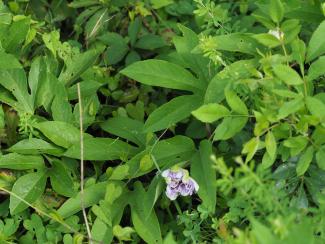
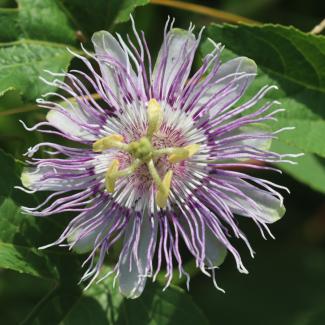
Fencerows, roadsides, old fields, forest borders, and other open, disturbed habitats. Common in the Virginia southern and central Coastal Plain; frequent in the southern and central Piedmont; rare elsewhere
This plant supports provides nectar for pollinators and is a larval host plant for several butterflies. The Gulf Fritillary (Agraulis vanillae), Variegated Fritillary (Euptoieta claudia) and Zebra Heliconian (Heliconius charithonia). Hummingbirds and butterflies nectar from the flowers in the summer. Its fruit may be eaten by songbirds, small mammals and some larger mammals
Severe nausea, vomiting, drowsiness, and episodes of irregular heartbeat. Consumption of leaves in "herbal medicine" is not recommended