
Commercially Available
My Native Garden
Put together a printable/downloadable list of plants that you have in your garden.
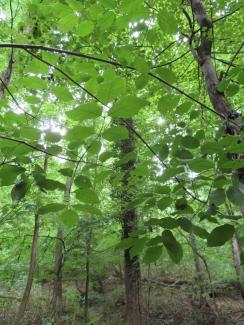
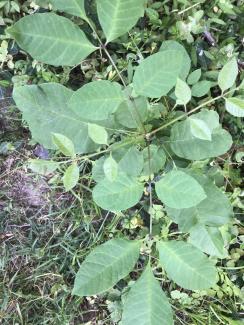
Habitat: Mesic to dry upland forests, rich seepage swamps, well-drained floodplain forests, and old fields. Common in the Virginia mountains and Piedmont; infrequent but widespread in the Coastal Plain.
Wildlife Value: This plant supports the larvae of Eastern Tiger Swallowtail (Papilo glaucus). The adult Eastern Tiger Swallowtail butterflies feed on milkweed, joe pye weed, wild cherry, and lilac. The seeds of the White ash are enjoyed by birds, squirrel, and other small mammals. White ash is a larval plant for tiger swallowtail and mourning cloak butterflies. The bark is eaten by rabbits, porcupines and beavers. The foliage is browsed by white-tailed deer.
Note: Planting new ash trees is no longer recommended due to the trees' susceptibility to the emerald ash borer (Agrilus planipennis), a pest that feeds under the bark and bores into the wood. However, ash trees provide multiple benefits to the ecosystem and community and can be protected from the emerald ash borer and with proper treatment of an insectide. See link below for more information