Non-native plants this species can replace:
- Japanese barberry, Barberry (Berberis thunbergii)
- Butterfly bush, Summer lilac (Buddleia davidii)
- Japanese spiraea (Spiraea japonica)
Common Name
New jersey tea
Mountain snowbell
Redroot
Plant Form
Shrubs & Small Trees
Duration
Perennial
Max Height (ft)
3.0
Width (ft)
3.0 -
5.0
Growth Rate
Medium
Region
Coastal
Piedmont
Mountain

Hardiness Zone
5,
6,
7,
8
Commercially Available
Nurseries that may carry live plant:
Nurseries that may carry seeds:
My Native Garden
Put together a printable/downloadable list of plants that you have in your garden.
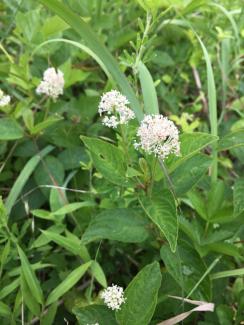
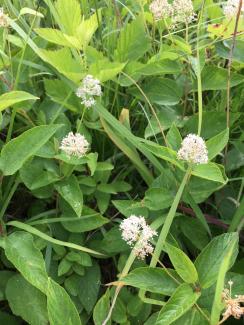
Additional Info
Habitat: Dry open forests, woodlands, barrens, and clearings throughout, except on the Eastern Shore; often in shallow, rocky, or sandy soils. Frequent in the Virginia mountains and Piedmont, less frequent but widespread in the Coastal Plain.
Wildlife Value: It is a larval host plant for Mottled Duskywing, Spring Azure, Summer Azure butterflies. Flowers are highly attractive for their nectar to butterflies, bees, moths, predatory wasps and other insects. Its seeds are eaten by songbirds. Members of the genus Ceanothus support specialized bees
Flower Color
Cream/White
Flower Prominence
Conspicuous
Bloom Time
Spring
Early Summer
Bloom Month
May
June
Fall Color
Cream/White
Gold/Yellow
Light Requirements
Partial sun
Shade
Moisture Requirements
Moist
Average
Soil Texture
Loamy
Sandy
Shallow rocky
Low Maintenance
Yes
Seed or Fruit eaten by wildlife?
Yes
Pollinators
Bees
Butterfiles