Non-native plants this species can replace:
- Creeping liriope (Liriope spicata)
Common Name
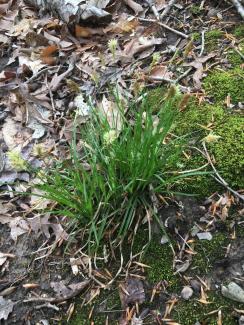
Pennsylvania sedge
Oak sedge
Plantainleaf sedge
Seersucker sedge
Plant Form
Grasses, Sedges & Rushes
Duration
Perennial
Max Height (ft)
0.8
Width (ft)
0.1 -
1.0
Growth Rate
Slow
Region
Coastal
Piedmont
Mountain

Hardiness Zone
5,
6,
7,
8
Commercially Available
My Native Garden
Put together a printable/downloadable list of plants that you have in your garden.
Additional Info
Habitat: In varied dry-mesic to dry forests, woodlands, barrens, grassy balds, and clearings; especially abundant in rocky woodlands, shale and other barrens, and thin soils on rock outcrops in the inner Coastal Plain and Piedmont fall-line region, it often occurs on high, very well-drained river levees with deep sandy soils. Common in the Virginia mountains and Piedmont; infrequent in the Coastal Plain.
Wildlife Value: This plant supports larvae of certain satyrine butterflies (Nymphalidae-Satyrinae). Birds and small mammals consume the achenes (small dry one-seeded fruit) and use the plants for cover
Flower Color
Green
Flower Prominence
Reduced
Bloom Time
Spring
Bloom Month
May
June
Ground Cover
Yes
Light Requirements
Full sun
Partial sun
Shade
Moisture Requirements
Moist
Average
Dry
Soil Texture
High organic matter
Sandy
Low Maintenance
Yes
Deer Resitant
Yes
Seed or Fruit eaten by wildlife?
Yes
Pollinators
Butterfiles