Common Name
Blue false indigo
Blue wild indigo
False blue indigo
Plant Form
Herbs
Duration
Perennial
Max Height (ft)
4.0
Width (ft)
2.0 -
4.0
Region
Piedmont
Mountain

Hardiness Zone
5,
6,
7,
8,
9
Rabbit resistant
Yes
Commercially Available
Nurseries that may carry live plant:
Nurseries that may carry seeds:
My Native Garden
Put together a printable/downloadable list of plants that you have in your garden.
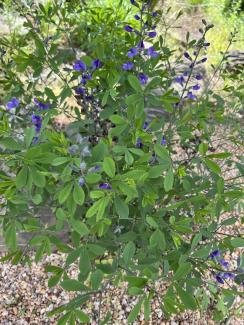
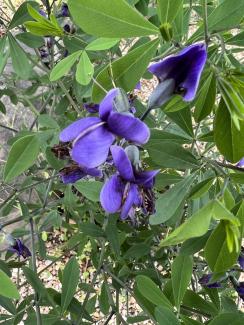
Habitat
Flood-scoured rocky or gravelly bars and outcrops along high-gradient rivers and streams. Rare, Virginia Piedmont and mountains
Wildlife value
Attracts butterflies, bees, and other insects. This plant is also a larval host plant for a variety of butterflies including: Orange sulphur, Clouded Sulphur, Frosted Elfin, Eastern Tailed Blue, Hoary Edge, and Wild Indigo Duskywing
Additional Notes
Allelopathic - releases toxins that suppress the growth of plants in its vicinity
Poisonous to Humans:
Poison Severity:
Low
Poison Symptoms:
Causes low toxicity only if eaten in quantity. Poisonous through ingestion. All parts are poisonous. Symptoms: Nausea, vomiting, diarrhea
Causes Contact Dermatitis:
No
Poison Part:
Bark, Flowers, Fruits, Leaves, Roots, Sap Juice, Seeds, Stems
Flower Color
Blue
Purple/lavender
Flower Prominence
Conspicuous
Bloom Time
Spring
Early Summer
Late Summer
Light Requirements
Full sun
Partial sun
Moisture Requirements
Moist
Average
Soil Texture
Clay
Low Maintenance
Yes
Deer Resitant
Yes
Pollinators
Bees
Butterfiles
Hummingbirds