- Japanese barberry, Barberry (Berberis thunbergii)
- Butterfly bush, Summer lilac (Buddleia davidii)
- Autumn olive (Elaeagnus umbellata)
- Winged euonymus, Burning bush (Euonymus alatus)
- Leatherleaf holly, Leatherleaf mahonia (Mahonia bealei)
- Nandina, Heavenly bamboo (Nandina domestica)

Commercially Available
My Native Garden
Put together a printable/downloadable list of plants that you have in your garden.
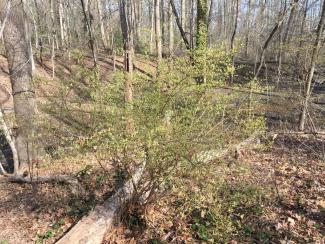
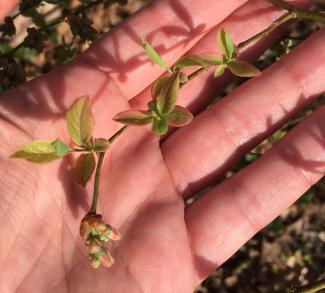
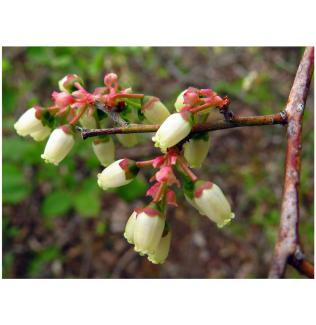
Acidic forests, shrub balds, seepage swamps, bogs, depression ponds and swamps, most numerous at middle to higher elevations. Apparently frequent in the southern half of the Virginia mountains, infrequent in the northern mountains, and rare in the northern Piedmont and northern Coastal Plain
This plant provides nectar for pollinators and supports Brown Elfin (Callophrys augustinus) larvae. Adult Brown Elfin butterflies feed on flower nectar. Its fruit attracts small mammals, ruffed grouse, wild turkey, black bears, squirrels, and songbirds, including American Robin, Eastern Bluebird, Scarlet Tanager, Eastern and Spotted Towhees, Gray Catbird, Northern Mockingbird, Brown Thrasher, and Northern Cardinal. The twigs provide food source for deer and rabbits. Members of the genus Vaccinium supports specialized bees