Common Name
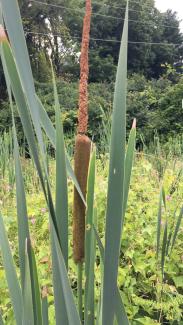
Broad-leaved cattail
Broadleaf cattail
Common cattail
Plant Form
Herbs
Duration
Perennial
Max Height (ft)
10.0
Width (ft)
4.0 -
6.0
Growth Rate
Fast
Region
Coastal
Piedmont
Mountain

Hardiness Zone
5,
6,
7,
8,
9
Commercially Available
Nurseries that may carry live plant:
Nurseries that may carry seeds:
My Native Garden
Put together a printable/downloadable list of plants that you have in your garden.
Habitat
Freshwater and oligohaline tidal marshes, ponds, open swamps, sluggish streams and floodplain pools, calcareous marshes and fens, beaver impoundments, ditches, and other disturbed wetlands; can be invasive in natural or artificial wetlands that have been eutrophied by agricultural or urban runoff. Frequent to locally common throughout Virginia
Wildlife value
Birds use the cattail as nesting material. Rhizomes are a food source for small mammals
Additional Notes
Weedy. Grow in containers to control the spread in smaller ponds or water gardens and cover with up to 30 inches of water
Flower Color
Brown/Copper
Gold/Yellow
Flower Prominence
Conspicuous
Bloom Time
Spring
Early Summer
Late Summer
Bloom Month
May
June
July
Light Requirements
Full sun
Partial sun
Moisture Requirements
In Water
Wet
Moist
Soil Texture
Clay
High organic matter
Loamy
Sandy