Synonym(s)
Aster puniceus
Common Name
Purple-stem aster
Swamp aster
Plant Form
Herbs
Duration
Perennial
Max Height (ft)
7.0
Region
Coastal
Piedmont
Mountain

Commercially Available
Nurseries that may carry live plant:
Nurseries that may carry seeds:
My Native Garden
Put together a printable/downloadable list of plants that you have in your garden.
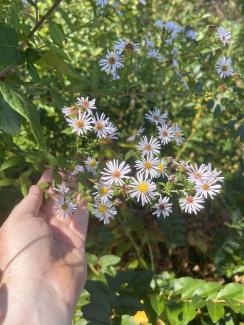
Additional Info
Habitat: Bogs, fens, seepage swamps, calcareous spring marshes, floodplain forests, stream banks, freshwater tidal marshes, wet meadows, and ditches. Frequent in the Virginia mountains and Piedmont; infrequent in the northern and central Coastal Plain.
Flower Color
Cream/White
Purple/lavender
Flower Prominence
Conspicuous
Bloom Time
Late Summer
Fall
Bloom Month
August
September
October
Light Requirements
Partial sun
Moisture Requirements
Wet
Pollinators
Bees
Butterfiles
Number of Lepidotera Species Genus Supports
100
Number of Pollen Specialist Bees that Rely on this Genus
33