Non-native plants this species can replace:
- Chinese silvergrass (Miscanthus sinensis)
- Yellowgroove bamboo (Phyllostachys aureosulcata)
Common Name
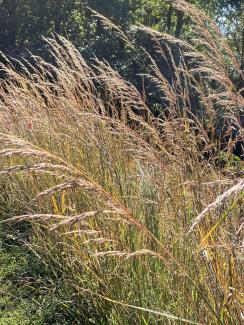
Indian grass
Yellow indian grass
Plant Form
Grasses, Sedges & Rushes
Duration
Perennial
Max Height (ft)
7.0
Width (ft)
1.0 -
2.0
Region
Coastal
Piedmont
Mountain

Hardiness Zone
5,
6,
7,
8,
9
Commercially Available
Nurseries that may carry live plant:
Nurseries that may carry seeds:
My Native Garden
Put together a printable/downloadable list of plants that you have in your garden.
Additional Info
Habitat: Dry woodlands and barrens, riverside prairies, clearings, old fields, meadows, and roadsides; tolerant of a range of soil moisture and chemistry. Common throughout Virginia, except in the outer Coastal Plain, where infrequent to rare
Wildlife Value: Provides excellent cover year-round. Seeds are eaten by songbirds and small mammals. Preferred food source for various grasshopper species
Fire Risk Rating: Highly flammable
High Value Generalist
Earth Sangha lists this plant as a "High Value Generalist" because it is easy to grow, occurs across a wide range of habitats and is known to be of high value to wildlife
Flower Color
Gold/Yellow
Orange
Flower Prominence
Reduced
Bloom Time
Fall
Light Requirements
Full sun
Moisture Requirements
Moist
Average
Soil Texture
Clay
Shallow rocky
Deer Resitant
Yes
Seed or Fruit eaten by wildlife?
Yes
Pollinators
Butterfiles
Additional links