
Commercially Available
My Native Garden
Put together a printable/downloadable list of plants that you have in your garden.
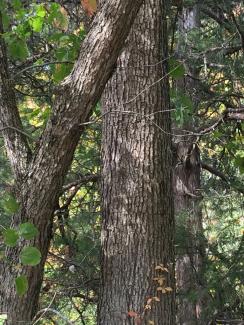
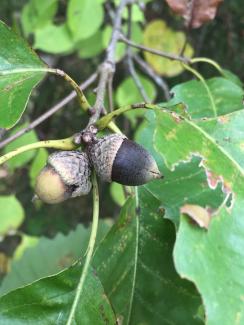
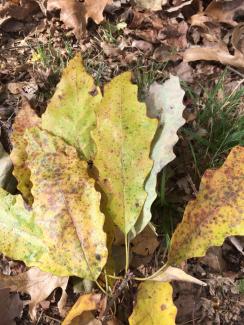
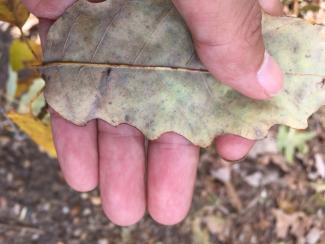
Dry to mesic upland forests and rocky woodlands, usually on soils weathered from calcareous or mafic rock; restricted to shell-rich, calcareous soils in the Virginia Coastal Plain; east of the mountains also scattered in rich, well-drained alluvial forests, especially on high levees and river banks. Common in limestone and dolostone districts of the mountains; elsewhere in the state, it is widely distributed but more or less infrequent
The wildlife value is high. The acorns are eaten by woodpeckers, blue jays, small mammals, wild turkeys, white-tailed deer, and black bears. Oak trees support a wide variety of Lepidopteran. Also supports the Imperial Moth (Eacles imperialis), Banded Hairstreak (Satyrium calanus), Edward's Hairstreak (Satyrium edwardsii), Gray Hairstreak (Strymon melinus), White-M Hairstreak (Parrhasius m-album), Horace’s Duskywing (Erynnis horatius) and Juvenal’s Duskywing (Erynnis juvenalis). It attracts a wide range of insects which in turn feed the birds. Provides cover and nesting areas for wildlife
Abdominal pain, constipation then diarrhea (occasionally bloody), depression, frequent urination, discolored urine, jaundice; acorns can obstruct the digestive tract