Quercus montana (Native)

Common Name
Chestnut oak
Rock chestnut oak
Plant Form
Large Trees
Duration
Perennial
Max Height (ft)
75.0
Width (ft)
50.0 - 70.0
Growth Rate
Slow
Region
Coastal
Piedmont
Hardiness Zone
6, 7, 8

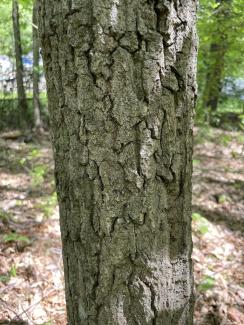
Photographer: rundvm1
Licensed under: CC BY-NC 4.0
Original photo: Original photo

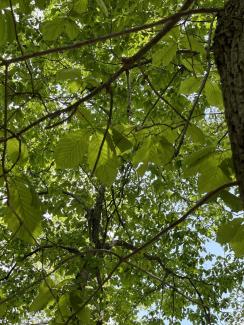
Photographer: rundvm1
Licensed under: CC BY-NC 4.0
Original photo: Original photo

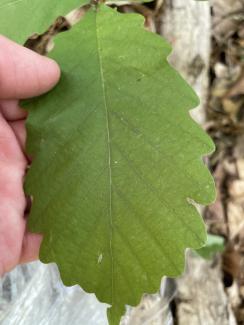
Photographer: rundvm1
Licensed under: CC BY-NC 4.0
Original photo: Original photo

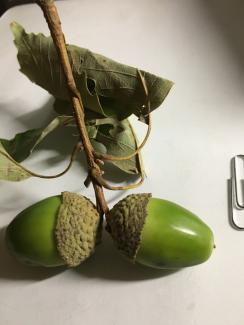
Photographer: brendacse
Licensed under: CC BY-NC 4.0
Original photo: Original photo

Habitat

ry to occasionally mesic upland forests, woodlands, and shale barrens; most characteristic of exposed sites with rocky or shallow soils. Common in the Virginia mountains, Piedmont, and inner Coastal Plain north of the James River; infrequent to rare in the southern and outer Coastal Plain.

Wildlife value

The wildlife value is high. The acorns are eaten by woodpeckers, blue jays, small mammals, wild turkeys, white-tailed deer, and black bears. Oak trees support a wide variety of Lepidopteran. Also supports the Imperial Moth (Eacles imperialis), Banded Hairstreak (Satyrium calanus), Edward's Hairstreak (Satyrium edwardsii), Gray Hairstreak (Strymon melinus), White-M Hairstreak (Parrhasius m-album), Horace’s Duskywing (Erynnis horatius) and Juvenal’s Duskywing (Erynnis juvenalis). It attracts a wide range of insects which in turn feed the birds. Provides cover and nesting areas for wildlife

High Value Generalist
Earth Sangha lists this plant as a "High Value Generalist" because it is easy to grow, occurs across a wide range of habitats and is known to be of high value to wildlife

Poisonous to Humans:
Poison Severity:
Low
Poison Symptoms:

Abdominal pain, constipation then diarrhea (occasionally bloody), depression, frequent urination, discolored urine, jaundice; acorns can obstruct the digestive tract

Causes Contact Dermatitis:
No
Poison Part:
Fruits, Leaves
Also a Problem For:
Horses
Flower Color
Gold/Yellow
Green
Flower Prominence
Reduced
Bloom Time
Spring
Bloom Month
April
Fall Color
Brown/Copper
Burgandy/Red
Gold/Yellow
Light Requirements
Full sun
Partial sun
Moisture Requirements
Moist
Average
Soil Texture
Clay
Loamy
Sandy
Shallow rocky
Low Maintenance
Yes
Commercially available
Yes

My Native Garden

Put together a printable/downloadable list of plants that you have in your garden.