Common Name
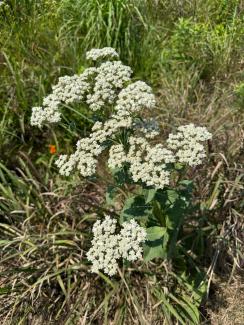
Common wild quinine
American feverfew
Eastern feverfew
Plant Form
Herbs
Duration
Perennial
Max Height (ft)
4.0
Width (ft)
1.0 -
2.0
Growth Rate
Medium
Region
Coastal
Piedmont
Mountain

Hardiness Zone
5,
6,
7,
8
Commercially Available
Nurseries that may carry live plant:
Nurseries that may carry seeds:
My Native Garden
Put together a printable/downloadable list of plants that you have in your garden.
Additional Info
Habitat: Dry-mesic to dry, open forests, woodlands, barrens, and clearings; mostly on acidic to moderately basic soils. Frequent in the mountains (except sw. Virginia) and Piedmont; infrequent in the Coastal Plain.
Wildlife Value: Attracts bees, wasps, and beetles.
Flower Color
Cream/White
Flower Prominence
Conspicuous
Bloom Time
Late Summer
Fall
Light Requirements
Full sun
Moisture Requirements
Moist
Average
Soil Texture
Clay
Loamy
Sandy
Shallow rocky
Low Maintenance
Yes
Pollinators
Bees
Butterfiles