Common Name
Allegheny monkeyflower
Square-stemmed monkeyflower
Plant Form
Herbs
Duration
Perennial
Max Height (ft)
3.0
Width (ft)
0.8 -
1.0
Growth Rate
Medium
Region
Coastal
Piedmont
Mountain

Hardiness Zone
5,
6,
7,
8
Commercially Available
Nurseries that may carry live plant:
Nurseries that may carry seeds:
My Native Garden
Put together a printable/downloadable list of plants that you have in your garden.
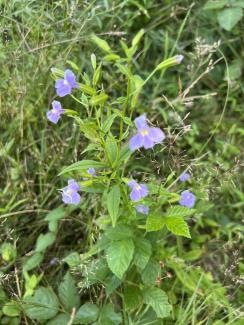
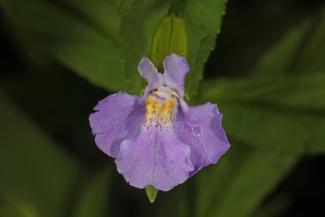
Habitat
Tidal freshwater marshes, calcareous fens and marshes, alluvial swamps, sandy or gravelly shores and bars, wet meadows, and various disturbed alluvial habitats. Frequent throughout Virginia
Wildlife value
Attracts butterflies. Pollinated by bumblebees
High Value Generalist
Earth Sangha lists this plant as a "High Value Generalist" because it is easy to grow, occurs across a wide range of habitats and is known to be of high value to wildlife
Flower Color
Blue
Red/burgandy
Pink
Purple/lavender
Flower Prominence
Conspicuous
Bloom Time
Early Summer
Late Summer
Fall
Light Requirements
Full sun
Partial sun
Moisture Requirements
Wet
Moist
Soil Texture
Loamy
Low Maintenance
Yes
Deer Resitant
Yes
Pollinators
Bees
Butterfiles
Tolerates
Additional links