Common Name
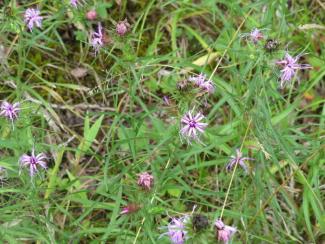
Scaly blazing star
Plant Form
Herbs
Duration
Perennial
Max Height (ft)
3.0
Width (ft)
0.5 -
1.0
Growth Rate
Medium
Region
Coastal
Piedmont
Mountain

Hardiness Zone
5,
6,
7,
8
Commercially Available
Nurseries that may carry live plant:
Nurseries that may carry seeds:
My Native Garden
Put together a printable/downloadable list of plants that you have in your garden.
Additional Info
Habitat: Dry woodlands, clearings, fields, meadows, and roadsides. Frequent to common in the Virginia Piedmont; rare in the extreme inner Coastal Plain; disjunct to Lee County in the far southwestern mountains.
Wildlife Value: Attracts pollinators, moths, butterflies and hummingbirds
Flower Color
Purple/lavender
Flower Prominence
Conspicuous
Bloom Time
Early Summer
Late Summer
Fall
Bloom Month
June
July
August
Light Requirements
Full sun
Moisture Requirements
Average
Soil Texture
Loamy
Sandy
Shallow rocky
Low Maintenance
Yes
Seed or Fruit eaten by wildlife?
Yes
Pollinators
Bees
Butterfiles
Hummingbirds
Recommended for