- Japanese spiraea (Spiraea japonica)

Commercially Available
My Native Garden
Put together a printable/downloadable list of plants that you have in your garden.
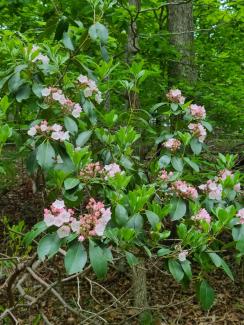
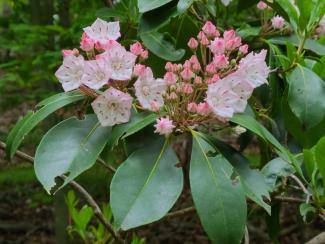
Mesic to dry, acidic forests, woodlands, and shrub balds; often in sandy, rocky, or organic-rich soils; less typically in bogs and seepage wetlands. More or less common throughout Virginia, except in the outer and far southeastern Coastal Plain, where infrequent
It provides winter cover. Hummingbirds, butterflies and other pollinators are attracted to the flowers. Although the foilage is toxic to domestic livestock, white-tailed deer browse the leaves and twigs during the winter and early spring
The toxic principle interferes with normal skeletal muscle, cardiac muscle, and nerve function. Clinical effects typically occur within a few hours after ingestion, and can include acute digestive upset, excessive drooling, loss of appetite, diarrhea, colic, sweating, abdominal pain, depression, weakness, loss of coordination, stupor, watering of eyes and nose, nausea, cardiac failure, vomiting, leg paralysis, weak heart rate, and recumbency