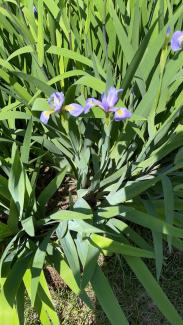
Iris virginica (Native)

Non-native plants this species can replace:
Common Name
Virginia blue flag
Southern blue flag
Southern blue flag iris
Plant Form
Herbs
Duration
Perennial
Max Height (ft)
2.5
Width (ft)
1.0 - 3.0
Growth Rate
Medium
Region
Coastal
Piedmont
Mountain
Hardiness Zone
5, 6, 7, 8, 9

Photographer: ursusdc
Licensed under: CC BY-NC 4.0
Original photo: Original photo

Habitat

Freshwater and oligohaline tidal marshes, tidal swamps, maritime swamps, alluvial swamps, wet flatwoods, floodplain pools, calcareous fens and wet meadows, stream margins, and disturbed wetlands such as ditches and beaver ponds. Frequent to locally common in the Virginia Coastal Plain; infrequent to rare inland

Wildlife value

Dense sword-like foliage provides a safe hiding and resting spot for frogs, insects, and other small wetland animals. Attracts butterflies, bees and hummingbirds

High Value Generalist
Earth Sangha lists this plant as a "High Value Generalist" because it is easy to grow, occurs across a wide range of habitats and is known to be of high value to wildlife

Poisonous to Humans:
Poison Severity:
Low
Poison Symptoms:

Nausea, salivation, vomiting, abdominal pain, lethargy, diarrhea, elevated temperature following ingestion; short-lasting skin irritation upon contact with seeds, rootstock, or cell sap. Highest concentration in rhizomes

Causes Contact Dermatitis:
Yes
Poison Part:
Roots, Sap Juice, Seeds
Also a Problem For:
Dogs and Horses
Flower Color
Blue
Purple/lavender
Flower Prominence
Conspicuous
Bloom Time
Spring
Light Requirements
Full sun
Partial sun
Moisture Requirements
In Water
Wet
Moist
Soil Texture
High organic matter
Sandy
Low Maintenance
Yes
Deer Resitant
Yes
Pollinators
Bees
Butterfiles
Hummingbirds
Tolerates
Commercially available
Yes

My Native Garden

Put together a printable/downloadable list of plants that you have in your garden.