Common Name
Spotted jewelweed
Orange jewelweed
Plant Form
Herbs
Duration
Annual
Max Height (ft)
5.0
Width (ft)
1.0 -
3.0
Region
Coastal
Piedmont
Mountain

Hardiness Zone
5,
6,
7,
8,
9
Commercially Available
Nurseries that may carry live plant:
My Native Garden
Put together a printable/downloadable list of plants that you have in your garden.
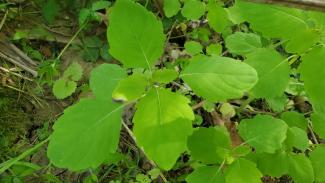
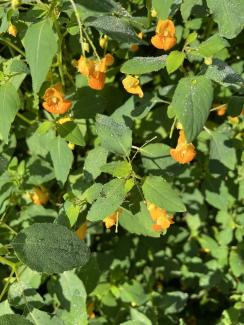
Habitat
Floodplain forests, alluvial swamps, tidal swamps, freshwater tidal marshes, seeps and seepage swamps, upland depression swamps, fens, beaver ponds, ditches, and other disturbed wetlands; occasionally in mesic upland forests. Common throughout Virginia
Wildlife value
Its flowers are attractive to hummingbirds. Attracts bumblebees and honeybees. Gamebirds such as pheasants and quail eat the seeds, and deer browse the foliage
Additional Notes
Plant is quite aggressive and can form large colonies by self-seeding
Poisonous to Humans:
Poison Severity:
Low
Poison Symptoms:
The fruits are toxic if ingested and cause mild to moderate gastric irritation
Causes Contact Dermatitis:
No
Poison Part:
Fruits
Also a Problem For:
Dogs
Flower Color
Red/burgandy
Gold/Yellow
Orange
Flower Prominence
Conspicuous
Bloom Time
Late Summer
Fall
Bloom Month
July
August
September
Light Requirements
Partial sun
Shade
Moisture Requirements
Wet
Moist
Soil Texture
Clay
High organic matter
Loamy
Sandy
Pollinators
Bees
Butterfiles
Hummingbirds