Common Name
Common sneezeweed
Autumnale sneezeweed
Plant Form
Herbs
Duration
Perennial
Max Height (ft)
5.0
Width (ft)
2.0 -
3.0
Growth Rate
Fast
Region
Coastal
Piedmont
Mountain

Hardiness Zone
5,
6,
7,
8
Rabbit resistant
Yes
Commercially Available
Nurseries that may carry live plant:
Nurseries that may carry seeds:
My Native Garden
Put together a printable/downloadable list of plants that you have in your garden.
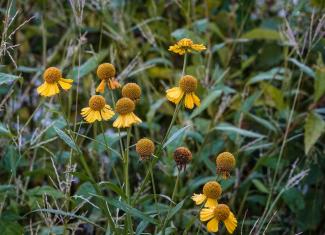
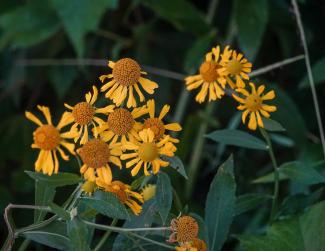
Habitat
Can be found in moist soils along streams, ponds, in swamps, and wetlands
Wildlife value
Attracts numerous bees and butterflies
High Value Generalist
Earth Sangha lists this plant as a "High Value Generalist" because it is easy to grow, occurs across a wide range of habitats and is known to be of high value to wildlife
Additional Notes
Should be cut back in early summer to encourage branching and increase flowers
Poisonous to Humans:
Poison Severity:
Medium
Poison Symptoms:
Salivation, elevated temperature and pulse, difficulty of breathing, vomiting, and convulsions. TOXIC ONLY IF INGESTED IN LARGE QUANTITIES
Causes Contact Dermatitis:
Yes
Poison Part:
Flowers, Leaves, Seeds
Flower Color
Brown/Copper
Gold/Yellow
Orange
Flower Prominence
Conspicuous
Bloom Time
Late Summer
Fall
Light Requirements
Full sun
Partial sun
Moisture Requirements
Wet
Moist
Soil Texture
Clay
High organic matter
Deer Resitant
Yes
Seed or Fruit eaten by wildlife?
Yes
Pollinators
Bees
Butterfiles
Hummingbirds
Top 30 for Pollen Specialist Bees?
Yes
Number of Pollen Specialist Bees that Rely on this Genus
5