Common Name
Beargrass
Rattlesnake-master
Northern rattlesnake-master
Button eryngo
Plant Form
Herbs
Duration
Perennial
Max Height (ft)
5.0
Width (ft)
2.0 -
3.0
Region
Coastal
Piedmont
Mountain

Hardiness Zone
5,
6,
7,
8
Rabbit resistant
Yes
Commercially Available
Nurseries that may carry live plant:
Nurseries that may carry seeds:
My Native Garden
Put together a printable/downloadable list of plants that you have in your garden.
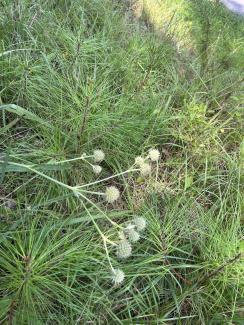
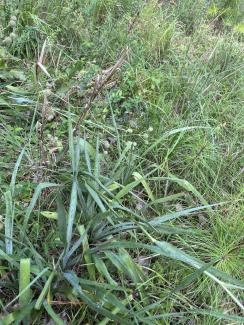
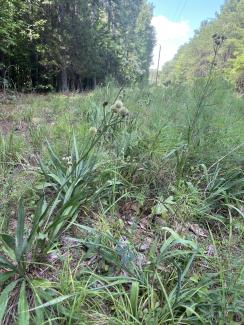
Additional Info
Habitat: Woodlands, barrens, clearings, and flatwoods over mafic and calcareous rocks, as well as on acidic, alternately wet-and-dry clay soils; in wet-mesic prairies along small-river floodplains in Augusta County. Rare in all Virginia physiographic provinces, with few extant sites.
Wildlife Value: Attracts pollinator insects including wasps, flies, bees, and butterflies like monarchs and skippers. Soldier beetles eat the pollen. The rattlesnake master stem-borer moth (Papaipema eryngii) uses the plant as a larval host.
Note: Leaves end in stiff spines that could be unpleasant if planted near a walkway.
Flower Color
Blue
Cream/White
Green
Flower Prominence
Conspicuous
Bloom Time
Early Summer
Late Summer
Bloom Month
June
July
August
Light Requirements
Full sun
Moisture Requirements
Moist
Average
Soil Texture
Clay
Loamy
Sandy
Shallow rocky
Deer Resitant
Yes
Pollinators
Bees
Butterfiles