Synonym(s)
Aster umbellatus
Common Name
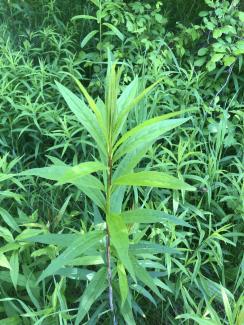
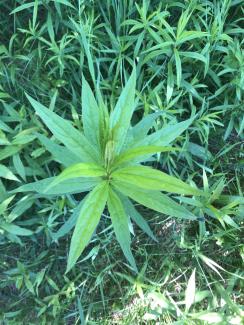
Flat-top white aster
Parasol whitetop
Flat-topped white aster
Parasol white-top
Tall white-aster
Plant Form
Herbs
Duration
Perennial
Region
Coastal
Piedmont
Mountain

Hardiness Zone
5,
6,
7,
8,
9
Commercially Available
Nurseries that may carry live plant:
Nurseries that may carry seeds:
My Native Garden
Put together a printable/downloadable list of plants that you have in your garden.
Additional Info
Habitat: Moist fields, thickets, and the border of swamps. Prefers slightly acidic sandy loam that is moist to occasionally wet
Wildlife Value: Larval host to the Pearly Crescent, Harris Checkerspot.
High Value Generalist
Earth Sangha lists this plant as a "High Value Generalist" because it is easy to grow, occurs across a wide range of habitats and is known to be of high value to wildlife
Flower Color
Cream/White
Purple/lavender
Flower Prominence
Conspicuous
Bloom Time
Late Summer
Fall
Bloom Month
July
August
September
October
Light Requirements
Full sun
Partial sun
Moisture Requirements
Wet
Moist
Low Maintenance
Yes
Pollinators
Butterfiles
Tolerates
Additional links