
Commercially Available
My Native Garden
Put together a printable/downloadable list of plants that you have in your garden.
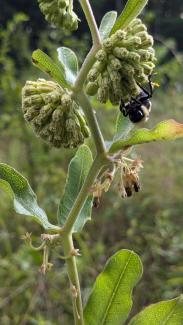
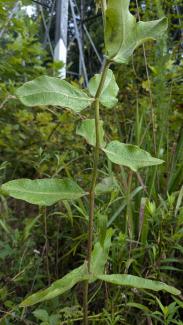
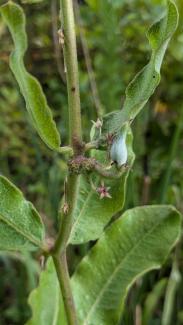
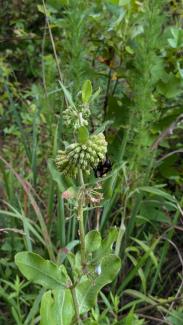
Dry soil of fields, pastures, and roadsides; occasionally in dry rocky woodlands and barrens; typically, but not always, associated with base-rich substrates. Frequent in the Virginia Piedmont and low-elevation mountain valleys; rare elsewhere
This plat supports the larval stage of the monarch butterfly. The nectar from this plant attracts bumblebees
Blooming Experts recommends the you use your USDA hardiness zone as a proxy for when the last monarchs typically clear your area. A hard fall cutback is safe only after that window closes — or after the first killing frost, whichever comes first. In zones 5–6 they recommend pruning after October 15, zones 7–8 after November 1
Can cause stomach upset, nausea, vomiting, abdominal pain, diarrhea, weakness, lethargy, and confusion if eaten in quantity. Milky sap can cause contact dermatitis and eye irritation