Common Name
New england aster
Plant Form
Herbs
Duration
Perennial
Max Height (ft)
7.0
Width (ft)
2.0 -
3.0
Region
Piedmont
Mountain

Hardiness Zone
5,
6,
7,
8
Commercially Available
Nurseries that may carry live plant:
Nurseries that may carry seeds:
My Native Garden
Put together a printable/downloadable list of plants that you have in your garden.
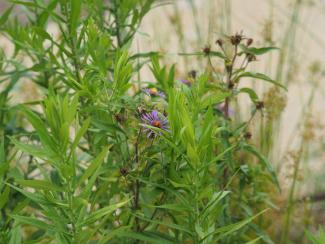
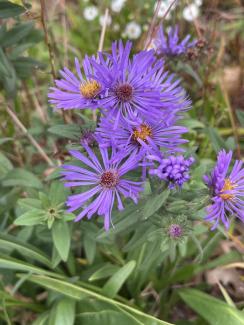
Additional Info
Habitat: Calcareous fens and spring marshes, wet meadows, and alluvial fields; also commonly cultivated and escaped to moist roadsides and clearings. Infrequent to locally common in the Virginia mountains; infrequent in the Piedmont; rare in the Coastal Plain; likely introduced in the Coastal Plain and some of the Piedmont localities.
Wildlife Value: Host plant for the Pearl Crescent (Phyciodes tharos) caterpillars. Flower nectars are attractive to bees, hover flies, new and migrating Monarch butterflies. Songbirds and small mammals eat the seeds. Members of the genus Symphyotrichum support specialized bees
High Value Generalist
Earth Sangha lists this plant as a "High Value Generalist" because it is easy to grow, occurs across a wide range of habitats and is known to be of high value to wildlife
Flower Color
Purple/lavender
Flower Prominence
Conspicuous
Bloom Time
Late Summer
Fall
Bloom Month
August
September
October
Light Requirements
Full sun
Partial sun
Moisture Requirements
Moist
Average
Soil Texture
Clay
High organic matter
Deer Resitant
Yes
Seed or Fruit eaten by wildlife?
Yes
Pollinators
Bees
Butterfiles
Monarchs
Number of Lepidotera Species Genus Supports
100
Number of Pollen Specialist Bees that Rely on this Genus
33
Additional links