- Japanese maple (Acer palmatum)
- Butterfly bush, Summer lilac (Buddleia davidii)

Commercially Available
My Native Garden
Put together a printable/downloadable list of plants that you have in your garden.
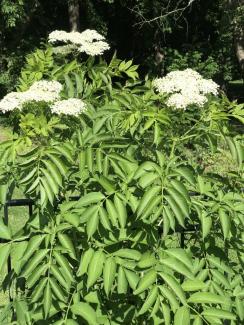
Damp to wet soil in fields, clearings, ditches, roadsides, floodplain forests, and swamps; less often in low mesic forests. Frequent to common throughout Virginia except at higher elevations in the mountains
Butterflies and other insects are attracted to the blooms. Its fruits are eaten by mammals and many species of songbirds. It makes an excellent nesting site for birds and provides cover for quail and pheasants. Deer browse the leaves, twigs and fruit. Dead stems are used by stem-nesting bees
Can be weedy
Ingestion can cause nausea, vomiting, diarrhea, coma. Unripe fruits are much more toxic than fully ripe fruits. Cooking helps inactivate the cyanogenic glycoside