Common Name
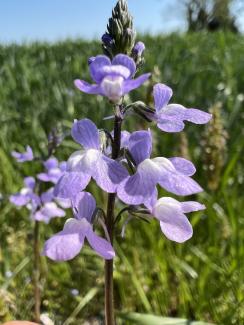
Blue toadflax
Canada toadflax
Plant Form
Herbs
Duration
Annual
Biennial
Max Height (ft)
3.0
Region
Coastal
Piedmont
Mountain

My Native Garden
Put together a printable/downloadable list of plants that you have in your garden.
Additional Info
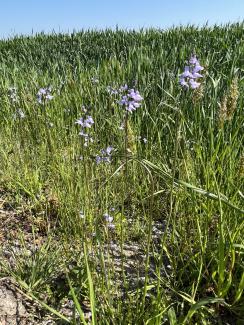
Habitat: Maritime dune woodlands, scrub, and grasslands; sandhill woodlands, thin soil around mafic and felsic outcrops; sandy or dry roadsides, fields, and clearings. Common in the Virginia Coastal Plain; frequent in the Piedmont; rare in the mountains
Wildlife Value: This plant supports Common Buckeye (Junonia coenia) larvae. Caterpillars eat the host plant's leaves while adults feed on the nectar of composite flowers including aster, chicory, gumweed, knapweed, and tickseed sunflower. Nectar source to bees and butterflies
Note: Weedy
Flower Color
Blue
Cream/White
Purple/lavender
Flower Prominence
Conspicuous
Bloom Time
Spring
Early Summer
Bloom Month
March
April
May
June
Light Requirements
Full sun
Partial sun
Moisture Requirements
Moist
Average
Soil Texture
Loamy
Sandy
Shallow rocky