Non-native plants this species can replace:
- Tree-of-heaven, Chinese sumac (Ailanthus altissima)
Common Name
Black walnut
Plant Form
Large Trees
Duration
Perennial
Max Height (ft)
90.0
Width (ft)
50.0 -
70.0
Growth Rate
Fast
Region
Coastal
Piedmont
Mountain

Hardiness Zone
5,
6,
7,
8,
9
Rabbit resistant
Yes
Commercially Available
My Native Garden
Put together a printable/downloadable list of plants that you have in your garden.
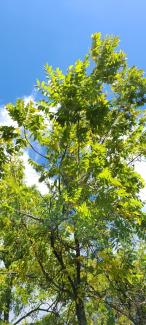
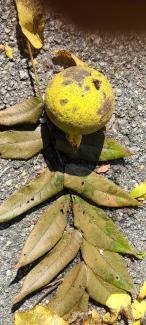
Additional Info
Habitat: Rich soils of mesic upland forests, floodplain forests, old fields, and fencerows; occasionally in dry, rocky woodlands on mafic or calcareous rocks. Common throughout, but in the mountains limited to lower elevations.
Wildlife Value: This plant supports Hickory Horndevil (Citheronia regalis) larvae. Also a Larval host for Banded Hairstreak butterflies and Luna moth. Meat of the nut is sweet and edible and a favorite food for squirrels.
Notes: Allelopathic. Problem for dogs and horses. Dogs can be poisoned by eating fallen, decaying nuts, hulls or wood fragments. Horses can absorb toxins through their skin and hooves
Flower Color
Gold/Yellow
Green
Flower Prominence
Reduced
Fragrant
Yes
Bloom Time
Spring
Bloom Month
April
May
Light Requirements
Full sun
Partial sun
Moisture Requirements
Moist
Average
Soil Texture
Clay
Loamy
Sandy
Seed or Fruit eaten by wildlife?
Yes
Pollinators
Butterfiles
Top 30 for Butterfly and Moth Caterpillars?
Yes
Number of Lepidotera Species Genus Supports
125