Common Name
Spotted st. john's-wort
Plant Form
Herbs
Duration
Perennial
Max Height (ft)
3.0
Region
Coastal
Piedmont
Mountain

Rabbit resistant
Yes
Commercially Available
Nurseries that may carry live plant:
Nurseries that may carry seeds:
My Native Garden
Put together a printable/downloadable list of plants that you have in your garden.
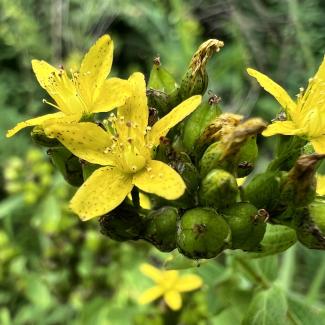
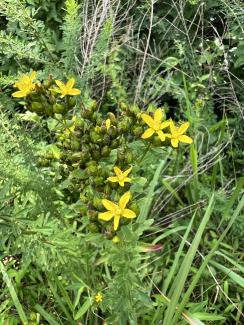
Additional Info
Habitat: In diverse, wet to dry, open to forested, natural to disturbed habitats. Common throughout Virginia
Wildlife value: The flowers attract long-tongued and short-tongued bees, including bumblebees and Halictid bees. Beetles and Syrphid flies may also visit the flowers, but they are less effective pollinators. The reward of these insects is the abundant pollen, as the flowers produce no nectar. The caterpillars of the butterfly Gray Hairstreak (Strymon melinus) reportedly eat the seed capsules, while the caterpillars of the moth Gray Half-Spot (Nedra ramosula) feed on the foliage. Mammalian herbivores usually don't consume this plant
Flower Color
Gold/Yellow
Flower Prominence
Conspicuous
Bloom Time
Early Summer
Late Summer
Fall
Bloom Month
May
June
July
August
September
Light Requirements
Full sun
Partial sun
Moisture Requirements
Moist
Average
Soil Texture
Sandy
Shallow rocky
Deer Resitant
Yes
Seed or Fruit eaten by wildlife?
Yes
Pollinators
Bees
Butterfiles