Common Name
Hop sedge
Plant Form
Grasses, Sedges & Rushes
Duration
Perennial
Max Height (ft)
3.0
Growth Rate
Medium
Region
Coastal
Piedmont
Mountain

Hardiness Zone
5,
6,
7,
8,
9
Commercially Available
Nurseries that may carry live plant:
Nurseries that may carry seeds:
My Native Garden
Put together a printable/downloadable list of plants that you have in your garden.
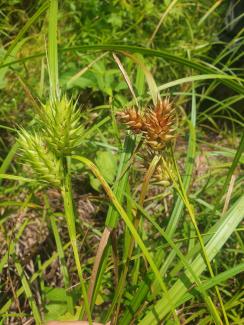
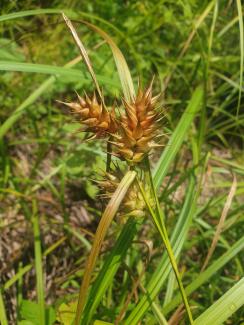
Habitat
Wet floodplain forests, alluvial swamps, depression swamps and ponds, tidal swamps, tidal freshwater marshes, wet meadows, beaver marshes, ditches, and other mostly seasonally flooded, disturbed wetlands. Frequent in the Virginia Coastal Plain and Piedmont; infrequent but widespread at low elevations in the mountains
Wildlife value
This plant supports larvae of certain satyrine butterflies (Nymphalidae-Satyrinae). Birds and small mammals consume the achenes and use the plants for cover
Flower Color
Green
Flower Prominence
Conspicuous
Bloom Time
Spring
Early Summer
Late Summer
Bloom Month
June
July
August
September
Ground Cover
Yes
Light Requirements
Full sun
Partial sun
Moisture Requirements
Wet
Moist
Soil Texture
Clay
High organic matter
Loamy
Sandy
Low Maintenance
Yes
Seed or Fruit eaten by wildlife?
Yes
Pollinators
Butterfiles
Tolerates