Common Name
Eastern prickly-pear
Eastern prickly-pear cactus
Plant Form
Shrubs & Small Trees
Duration
Perennial
Max Height (ft)
1.0
Width (ft)
1.0 -
1.5
Growth Rate
Slow
Region
Coastal
Piedmont
Mountain

Hardiness Zone
5,
6,
7,
8,
9
Rabbit resistant
Yes
Commercially Available
Nurseries that may carry live plant:
My Native Garden
Put together a printable/downloadable list of plants that you have in your garden.
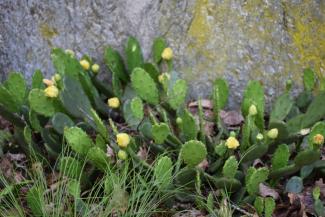
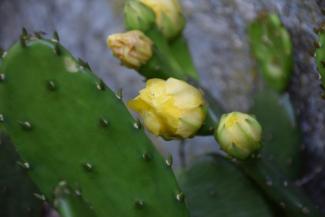
Habitat
Dry sandy or rocky habitats, including xeric pastures and road banks, open maritime forests and dunes, sandhill woodlands, granite flatrocks, and exposed outcrops; occasionally on shale barrens or in rocky limestone woodlands. Infrequent throughout Virginia, but locally common in some areas
Wildlife value
Birds and Box Turtles will eat the fruits. Bees are attracted to the flowers
Additional Notes
Use caution when handling this plant because the bristles can get into the skin and cause irritation. Wear protective gloves
Flower Color
Gold/Yellow
Flower Prominence
Conspicuous
Bloom Time
Early Summer
Late Summer
Ground Cover
Yes
Light Requirements
Full sun
Moisture Requirements
Average
Dry
Soil Texture
Sandy
Shallow rocky
Low Maintenance
Yes
Deer Resitant
Yes
Seed or Fruit eaten by wildlife?
Yes
Pollinators
Bees