- Common daylily (Hemerocallis fulva)

Commercially Available
My Native Garden
Put together a printable/downloadable list of plants that you have in your garden.
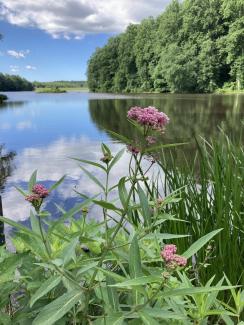
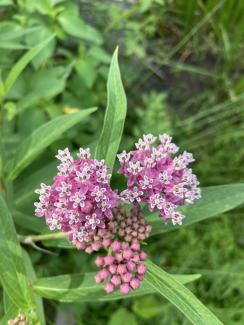
Tends to grow in wet sites along streams, ponds, or bogs.
This plant provides nectar for pollinators including Monarch (Danaus plexippus) butterflies. It is the larval host plant for Monarch (Danaus plexippus) larvae
Blooming Experts recommends the you use your USDA hardiness zone as a proxy for when the last monarchs typically clear your area. A hard fall cutback is safe only after that window closes — or after the first killing frost, whichever comes first. In zones 5–6 they recommend pruning after October 15, zones 7–8 after November 1
Can cause stomach upset, nausea, vomiting, abdominal pain, diarrhea, weakness, lethargy, and confusion if eaten in quantity. Milky sap can cause contact dermatitis and eye irritation